
Laser Welding Machines
Explore equipment for handheld metal fabrication, jewelry work, mold repair, channel letters and automated welding. Find a system that fits your material, workpiece and production requirements.
Explore Our Welding Equipment
Ask about a configuration ↗
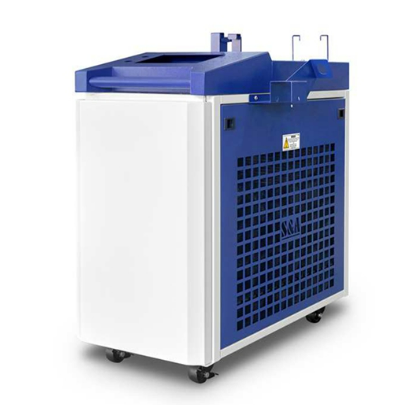
FIBERHandheld Laser Welding Machine
For manual welding tasks on metal parts and fabrications.
View Details ↗
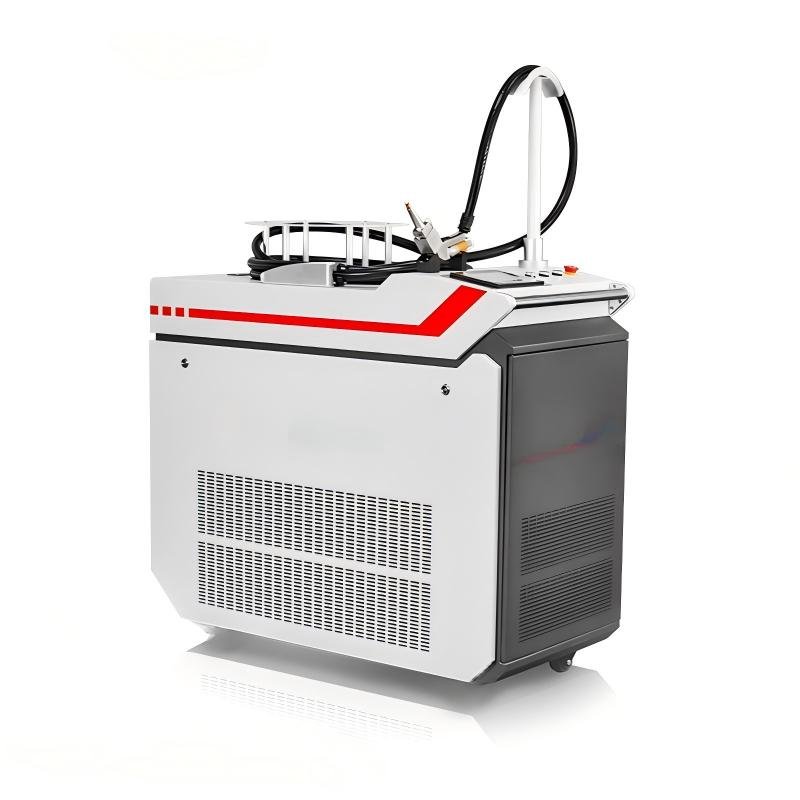
FIBERMultifunction Handheld Laser Welder
Explore a handheld system with multiple processing functions.
View Details ↗
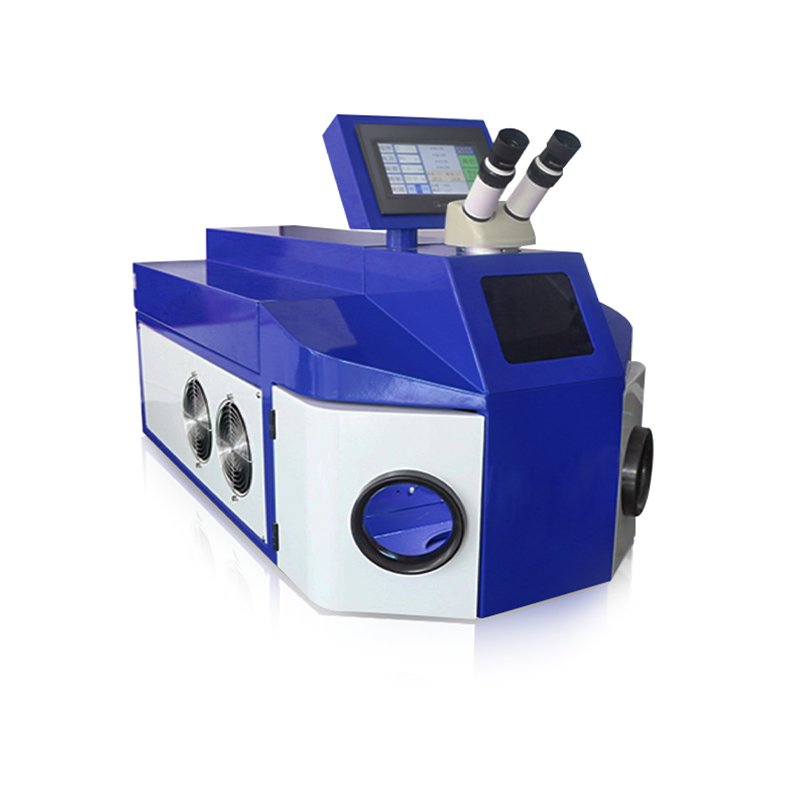
YAGDesktop Jewelry Laser Welding Machine
For localized welding tasks on jewelry and small pieces.
View Details ↗
YAGMold Laser Welding Machine
For localized welding and repair work on molds and tooling.
View Details ↗
YAGLarge Mold Laser Welding Machine
Explore a welding system for repair work on larger molds.
View Details ↗
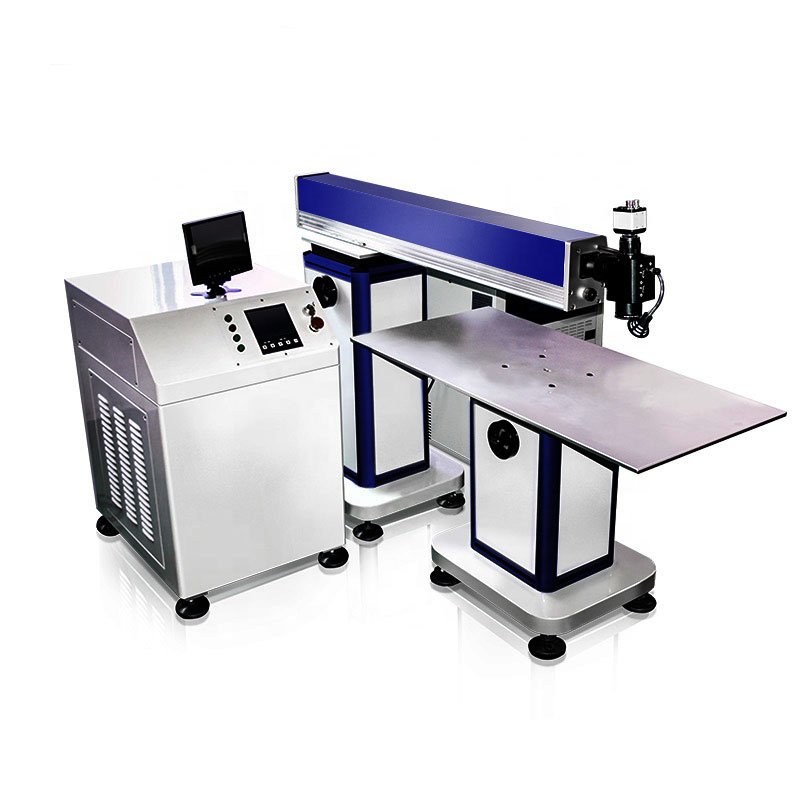
YAGChannel Letter Laser Welding Machine
For joining metal components used in channel letters.
View Details ↗
YAGGalvo Laser Welding Machine
Explore scanner-based welding for suitable component applications.
View Details ↗
FIBERFour-Axis Fiber Laser Welding Machine
Explore motion-controlled welding for repeatable processing paths.
View Details ↗Not sure which type fits your workpiece?
Compare welding applications ↓Which welding system
fits your work?
The workpiece, joint design and production method matter as much as the machine type. Use these starting points to discuss your application with us.
| Your welding task | Equipment to explore |
|---|---|
| Manual welding of metal parts and fabrications | Handheld laser welding machines |
| Localized joining and repair of jewelry | Jewelry laser welding machines |
| Localized repair of molds and tooling | Mold repair laser welding machines |
| Joining metal channel-letter components | Channel letter laser welding machines |
| Repeatable welding paths or small-component production | Automatic and galvo laser welding systems |
Final suitability depends on the material, joint requirements, tooling and selected configuration. Sample testing can help evaluate the result.
Common questions
about laser welding
What thickness can a laser welder handle?+
Send the thickness of each part and a photo or drawing of the joint. A lap joint and a butt joint in the same sheet can have different weld requirements. Tell us the penetration or finish you need so we can assess a suitable configuration.
Will laser welding suit my material?+
Tell us the alloy or grade of each part, if known, and whether the joint area has a coating. If you are joining different metals, identify both. A representative sample helps us assess the joint you intend to make.
What should we check before setting up a welding area?+
Review the safety instructions for the selected machine and assess the proposed work area before installation. Include operator training, access by other people, reflected laser light and welding fumes in that review.
What operating guidance is available for my model?+
When requesting a quote, tell us who will operate the machine and which language they need. Ask which operating manual, safety instructions, videos or setup guidance are available for the proposed model.
What maintenance and replacement parts should I plan for?+
Ask for the maintenance schedule for the proposed model. For handheld equipment, ask which torch tips and protective optics the configuration uses. For water-cooled equipment, also ask what cooling-system maintenance is required.
Can I send a sample, and what will the results show?+
Share a joint photo or drawing and describe the result you need. Free sample testing is available for suitable workpieces. Confirm sample suitability and shipping arrangements before sending parts. Photos and video show weld appearance. If strength or leak tightness matters, specify the acceptance test you need before testing.
Let’s evaluate
your welding application.
Share your requirements and discuss a suitable system with HODA. Free sample testing is available, with photos and videos of the results.
Discuss Your Application ↗Please confirm sample suitability and shipping arrangements before sending materials.
- 01Material type and thickness
- 02Joint photos or drawings
- 03Workpiece dimensions
- 04Desired result and production volume
